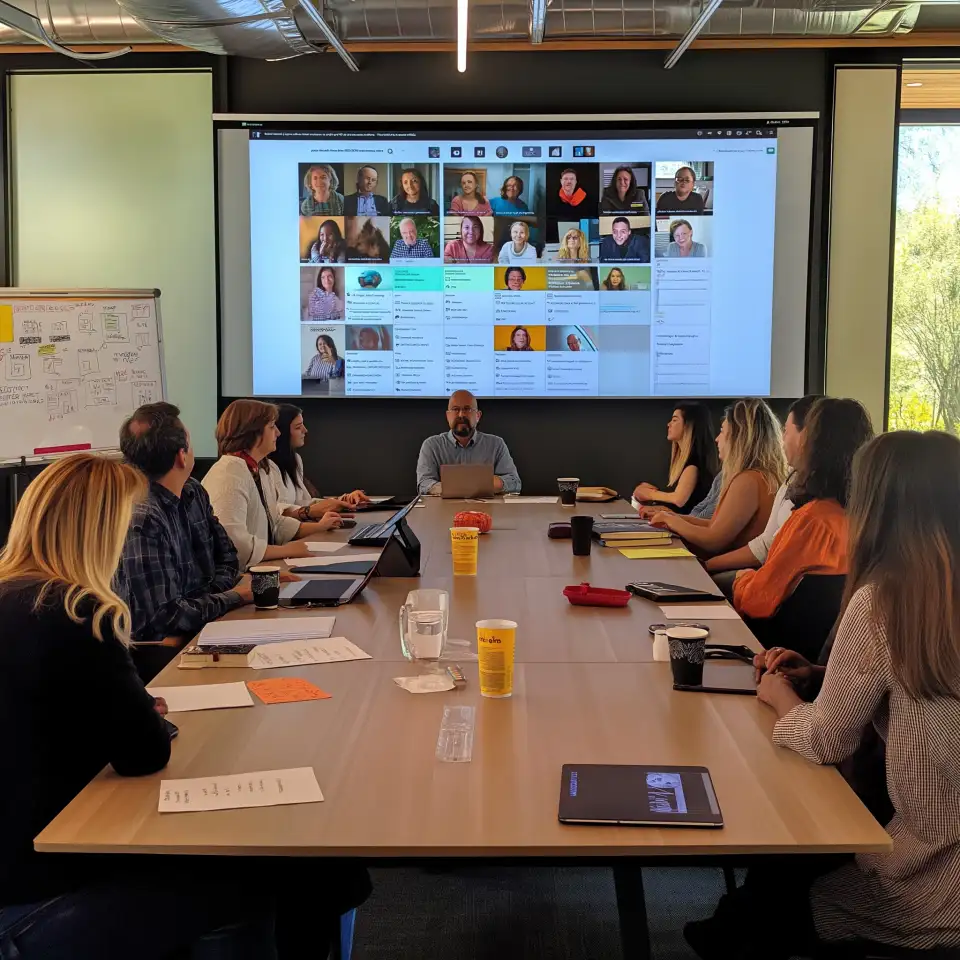
How Our Process Works
From keyword research to semantic clustering, every step is tailored for South Africa's market.
Unlike automated tools that export long lists of phrases, our model begins with intent analysis. We segment keywords into clusters, then map them to your existing site or proposed architecture. Each step is reviewed by an experienced SEO strategist familiar with South African search trends.
Learn moreSemantic Core: The Foundation of Lasting SEO
Research shows that up to 60% of organic visits come from long-tail searches. However,
most alternatives group these terms randomly, leading to missed opportunities and
content gaps. Our process starts by interviewing your team and analysing your current
site structure. We use the 'Intent Mapping Framework'—a methodology that
clusters queries by searcher goals and South African language nuances. This creates a
content map that grows with your business, rather than a static list that becomes
obsolete as trends shift. Where standard keyword tools leave you with an unprioritized
spreadsheet, our method delivers a clear, action-focused site plan.
Why Prioritization Matters
Quick-Win Focus
Standard SEO checklists treat all keywords the same. Our process highlights quick-win topics—those with achievable rankings and immediate business value—so your team knows where to start.
Competitive Audit
We benchmark your clusters against South African competitors, not just global giants. This means your site’s architecture is always grounded in the realities of your market.

Collaborative Planning
Unlike rigid templates, we build site plans in collaboration with your team. Your expertise shapes the content map, ensuring it fits your brand and goals.

Continuous Updates
Many alternatives hand over a list and disappear. We update your clusters as intent shifts, so your site never falls behind.
Semantic Core: The Foundation of Lasting SEO
Research shows that up to 60% of organic visits come from long-tail searches. However, most alternatives group these terms randomly, leading to missed opportunities and content gaps. Our process starts by interviewing your team and analysing your current site structure. We use the 'Intent Mapping Framework'—a methodology that clusters queries by searcher goals and South African language nuances. This creates a content map that grows with your business, rather than a static list that becomes obsolete as trends shift. Where standard keyword tools leave you with an unprioritized spreadsheet, our method delivers a clear, action-focused site plan.
Meet Our Team
Your partners in local, intent-driven SEO strategy
Our team blends technical SEO skills with deep knowledge of South African search habits.
Each project is managed by a dedicated strategist who works alongside your staff for
best results.
Lead Strategist
Designs the initial semantic core and site structure.
Content Planner
Builds actionable content maps from keyword clusters.
Technical Analyst
Audits your current architecture for gaps.
Client Partner
Guides collaboration and keeps your goals on track.
South African Search Habits: What’s Changing
Recent industry reports show that South African searchers are moving beyond single-word
queries, increasingly using conversational and localised search terms. Alternatives that
focus only on generic or global keywords risk missing the nuances of regional language
and seasonal intent. Our model incorporates these trends by prioritising local
expressions, brand searches, and context-specific questions. This ensures your content
stays relevant as search behaviour evolves, where others may leave you behind with
static, imported lists.
Project Highlights
See our architecture in action

Intent Mapping
Visualising search intent into actionable site clusters.

Cluster Analysis
Grouping keywords by topic for better content plans.

Team Collaboration
Client and strategist building site map together.

Content Scheduling
Aligning new pages with search trends and business goals.